
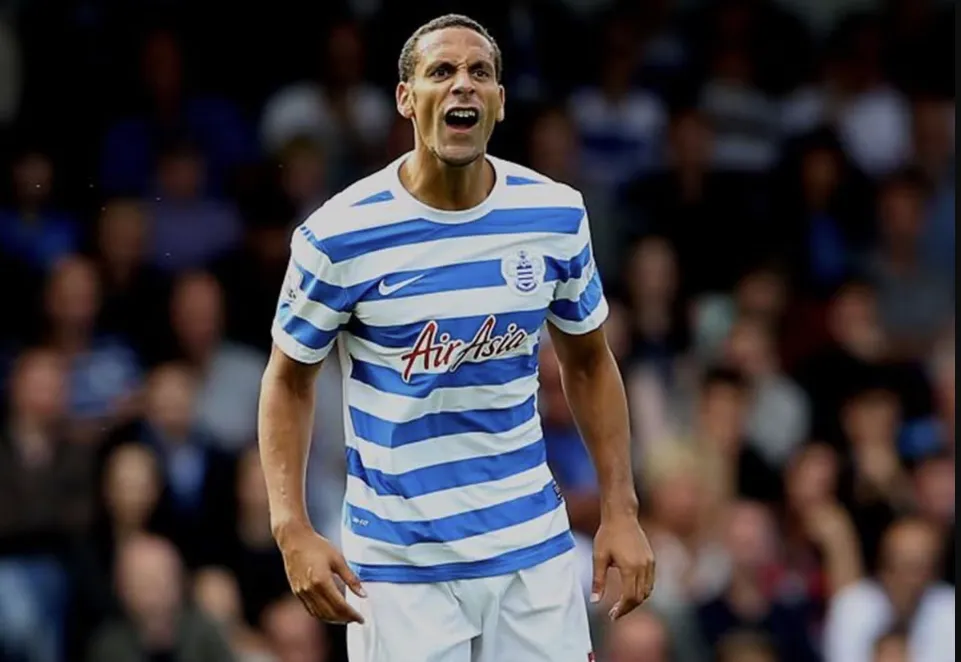
The football world witnessed the end of an era as one of England’s most decorated defenders, Rio Ferdinand, officially announced his retirement from professional football. The decision came swiftly after Queens Park Rangers (QPR) suffered relegation from the Premier League, marking a bittersweet conclusion to a remarkable 19-year playing career. Ferdinand’s journey from West Ham’s academy to the pinnacle of European football with Manchester United is a story of talent, resilience, and leadership that has left an indelible mark on the sport.
Who Was Rio Ferdinand? A Look at His Legendary Career
Rio Ferdinand was more than just a footballer; he was a trailblazer who redefined the role of the modern center-back. Born in London in 1978, Ferdinand began his professional journey at West Ham United, where his composure on the ball and ability to read the game set him apart from his peers. His move to Leeds United for a then-British record fee of £18 million in 2000 showcased his immense potential. However, it was his transfer to Manchester United in 2002 for approximately £30 million that truly cemented his legacy.
The Manchester United Glory Years
During his 12-year stint at Old Trafford, Ferdinand became the bedrock of Sir Alex Ferguson’s defense. Alongside Nemanja Vidić, he formed one of the most formidable central defensive partnerships in Premier League history. His trophy cabinet tells the story: six Premier League titles, two League Cups, and the crowning achievement—the 2008 UEFA Champions League title in Moscow. Ferdinand’s elegance in possession and his ability to initiate attacks from the back were revolutionary at the time, influencing an entire generation of defenders. He earned 81 caps for England, representing his country at three World Cups, and his leadership was recognized when he captained the national side on several occasions.
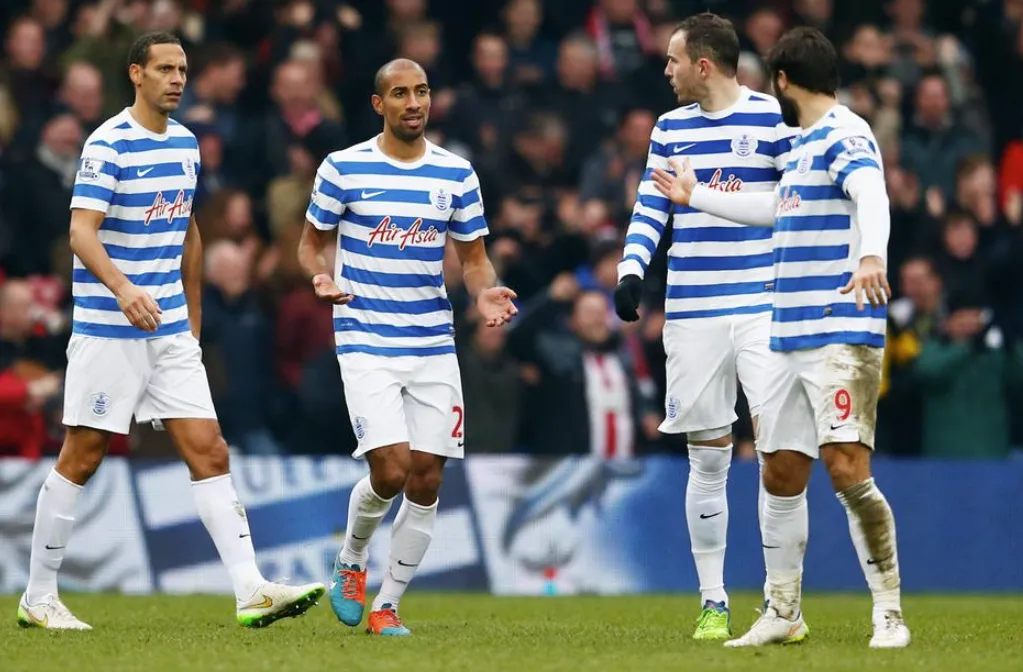
Cause of Ferdinand’s Retirement: The QPR Relegation Impact
The immediate catalyst for Ferdinand‘s decision was QPR’s demotion to the Championship following the 2014-15 Premier League season. After leaving Manchester United in 2014, Ferdinand signed a one-year contract with QPR, hoping to bring his experience to the London club. Unfortunately, the season was plagued by inconsistency and defensive frailties. Despite Ferdinand’s best efforts, QPR finished 20th, winning only eight matches all season.
The Emotional Toll of the Drop
For a player of Ferdinand’s stature, who had spent the majority of his career competing for top honors, relegation was a bitter pill to swallow. According to close sources, Ferdinand felt that the physical demands of another grueling Championship campaign, combined with the emotional disappointment, were not worth continuing. At 36 years old, he recognized that his body could no longer perform at the level he demanded of himself. In his retirement statement, Ferdinand acknowledged that the relegation was a significant factor: “After a career which has seen me play at the highest level, it’s not easy to accept playing in a lower division. I’ve always aimed for excellence, and I felt this was the right moment to step away.”
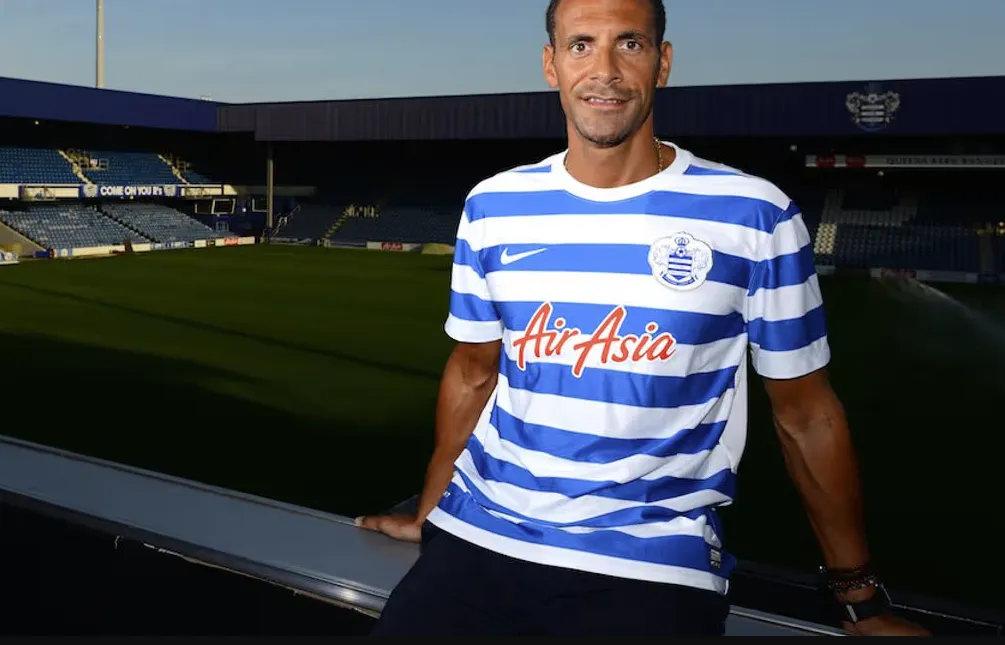
Timeline of Rio Ferdinand’s Final Season
The 2014-15 season was a challenging one for both Ferdinand and QPR. Here’s a breakdown of how events unfolded:
Summer 2014: A New Chapter Begins
Ferdinand joined QPR on a free transfer in July 2014, following the expiration of his contract at Manchester United. The move reunited him with manager Harry Redknapp, who had previously signed him for West Ham. Expectations were high, with fans hoping his leadership would keep the club in the top flight.
Autumn 2014: Early Struggles
QPR’s season started poorly. By October, the team was languishing near the relegation zone. Ferdinand, who was often deployed as the defensive anchor, faced criticism for a lack of pace in a backline that was regularly exposed by faster attackers. A 6-0 defeat to Manchester City in November highlighted their defensive vulnerabilities.
Spring 2015: The Final Nail
Despite a brief resurgence under new manager Chris Ramsey, QPR’s fate was sealed in April. A crucial 2-1 loss to relegation rivals Leicester City effectively ended their survival hopes. Ferdinand played his last professional match on May 16, 2015, against Manchester City, a 2-1 defeat. Just weeks later, he confirmed his retirement.
The Aftermath: A Legacy Beyond the Pitch
Following the retirement announcement, tributes poured in from across the footballing world. Former Manchester United teammate Gary Neville praised Ferdinand’s technical ability, calling him “the most complete English defender of his generation.” Ferdinand himself expressed gratitude: “Football has given me everything. I leave with incredible memories and lifelong friendships.”
Strategic Analysis: How Ferdinand Redefined Defending
Ferdinand‘s impact on defensive strategy was profound. In an era when center-backs were often judged solely by their tackling and aerial ability, Ferdinand brought a new dimension. His footballing intelligence allowed him to intercept passes before they reached attackers, effectively killing attacks before they began. This proactive style reduced the need for last-ditch tackles, a hallmark of his game.
The Modern Defender Blueprint
Coaches and analysts have long noted that Ferdinand’s playing style influenced the “ball-playing defender” archetype. His partnership with Vidić at Manchester United was a perfect balance: Vidić was the aggressive enforcer, while Ferdinand was the composed organizer. According to sports analyst Mark Thompson, “Ferdinand was the first defender in the Premier League who could comfortably play out from the back under extreme pressure. He was a midfielder in a defender’s body.” This skill set is now considered essential for top-level center-backs, from Virgil van Dijk to John Stones.
Conclusion: Rio Ferdinand Retires: A Legendary Career Ends Following QPR Relegation
Rio Ferdinand’s retirement marks the end of a chapter in English football defined by excellence, innovation, and resilience. From his early days at West Ham to his legendary status at Manchester United, and finally his challenging season at QPR, Ferdinand’s career was a testament to his enduring quality. While relegation may not have been the fairytale ending many hoped for, his legacy as one of the greatest defenders the game has ever seen remains unshaken. As he transitions into a new role as a pundit and businessman, fans will remember him not just for the trophies, but for how he changed the game itself.
What are your fondest memories of Rio Ferdinand on the pitch? Share your thoughts in the comments below, and don’t forget to explore more football stories and expert analysis on Jeetbuzz.
