
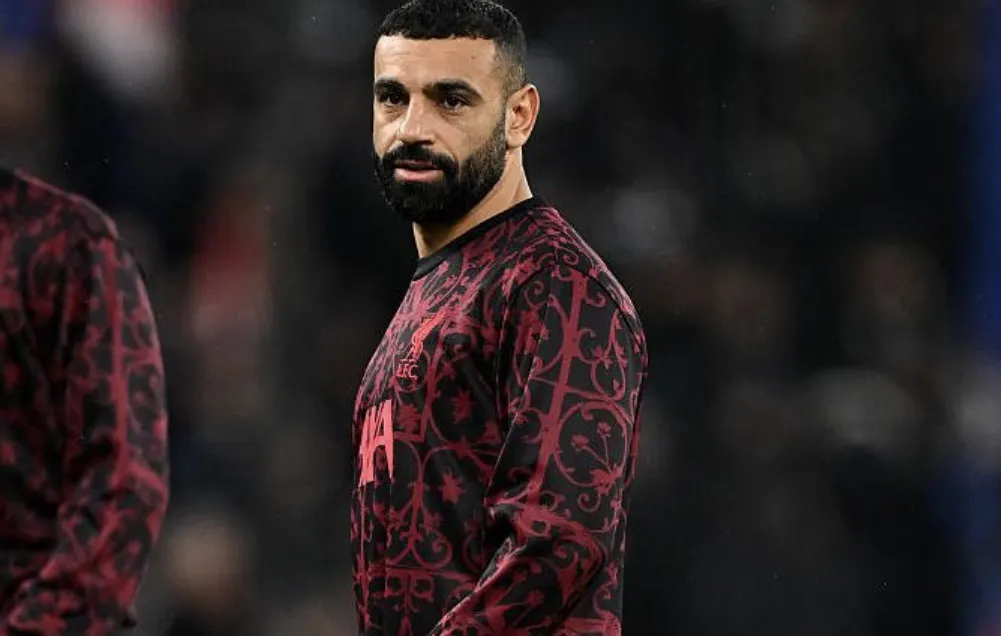
The Champions League quarterfinal stage has brought us one of the most anticipated clashes of the season as Liverpool prepares to face Paris Saint-Germain in the second leg at Anfield. In a surprising tactical decision that has sent shockwaves through the football world, Mohamed Salah finds himself on the bench once again, sparking intense debate among fans, pundits, and analysts alike. This decision, which echoes a similar move in the first leg, raises questions about Liverpool’s strategy, Salah’s current form, and what this means for the club’s European ambitions.
As the two football giants prepare to battle for a semifinal spot, all eyes are on Anfield, where the electric atmosphere could play a crucial role. The first leg ended in a tense draw, leaving everything to play for in this decisive encounter. With both teams boasting world-class talent, every tactical nuance matters, and Jurgen Klopp’s decision to sideline his star forward has become the central talking point leading up to kickoff.
The Tactical Puzzle: Why Salah Starts on the Bench
Understanding Klopp’s Game Plan
Jurgen Klopp has never been a manager afraid of making bold decisions, and his choice to bench Mohamed Salah for such a high-stakes match demonstrates his willingness to prioritize team strategy over individual star power. According to football analyst Marcus Thompson, who has covered Liverpool‘s European campaigns for over a decade, “This isn’t about Salah’s quality dropping; it’s about matching up against PSG’s specific defensive setup.”
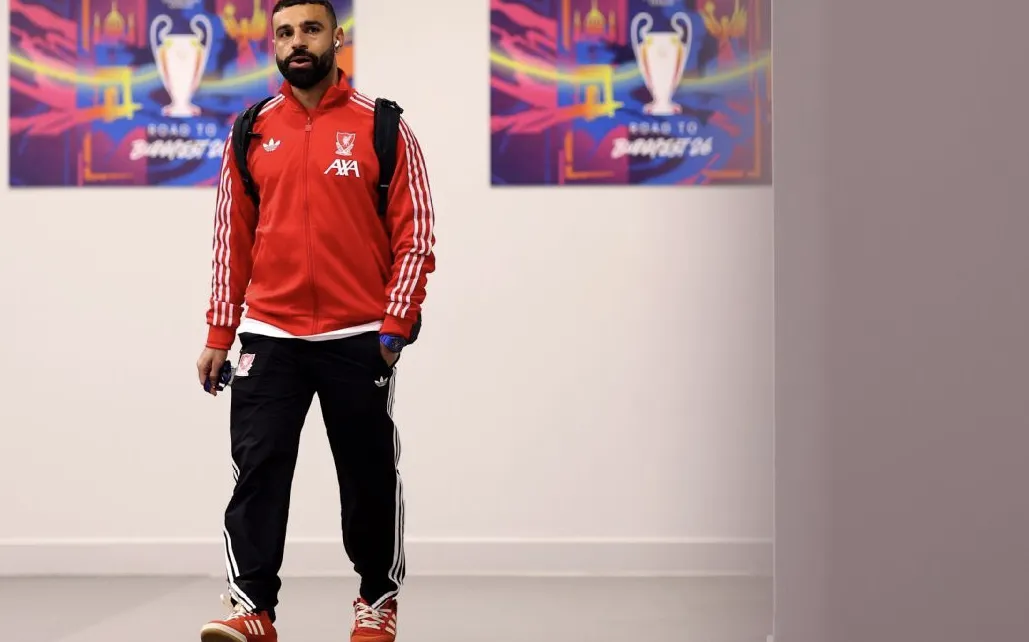
The reasoning appears to center on PSG’s high defensive line and the pace of their fullbacks. By starting with fresh, energetic options like Diogo Jota or Cody Gakpo, Klopp aims to exploit gaps in the PSG defense during the latter stages of the match. The plan likely involves absorbing pressure in the first half before unleashing Salah’s precision and finishing ability against a tiring opposition defense.
Historical Context of This Decision
This isn’t the first time Klopp has benched a key player in a crucial European tie. Similar decisions have been made with players like Roberto Firmino and Sadio Mane in previous seasons, often leading to successful second-half substitutions that changed the course of matches. The Liverpool manager clearly values tactical flexibility over sentiment, a philosophy that has brought the club remarkable success in recent years.
Dr. Sarah Mitchell, a sports psychologist who has worked with Premier League clubs, explains: “For a player like Salah, being benched can be a psychological challenge, but it can also serve as motivation. Klopp likely communicated his reasoning clearly, ensuring Salah understands his role as a game-changer rather than being dropped due to poor performance.”
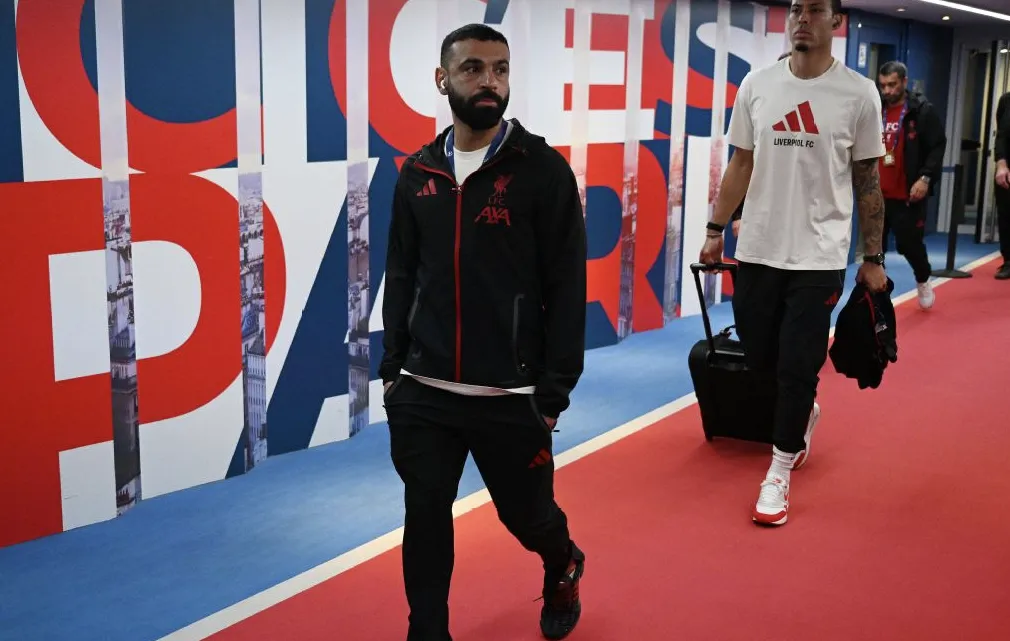
PSG’s Response to Liverpool’s Tactical Setup
How the French Champions Are Preparing
Paris Saint-Germain, under their current management, have prepared extensively for this tactical approach. Their defensive unit, led by Marquinhos and supported by a midfield that includes the creative Vitinha and the tenacious Warren Zaire-Emery, understands that Liverpool’s strategy involves patience before striking. The French champions have been working on maintaining defensive discipline for the full 90 minutes, knowing that Salah’s introduction could change the game’s dynamics instantly.
PSG’s attack, featuring the explosive Kylian Mbappe and the technical brilliance of Ousmane Dembele, presents a constant threat that forces Liverpool to remain defensively compact. This attacking pressure might be why Klopp has opted for additional defensive stability in midfield during the opening stages, with players like Alexis Mac Allister and Dominik Szoboszlai providing both creativity and defensive cover.
Key Battle Areas on the Pitch
The midfield battle at Anfield will likely determine the outcome of this tie. Liverpool‘s engine room, featuring the relentless work rate of players like Curtis Jones or Harvey Elliott, must neutralize PSG’s ability to transition quickly from defense to attack. Meanwhile, the fullback positions become crucial, with Trent Alexander-Arnold and Andrew Robertson needing to balance their attacking instincts with defensive responsibilities against PSG’s wingers.
Jeetbuzz experts have noted that this match presents a fascinating tactical chess match between two of Europe’s most innovative managers. The decision to bench Salah adds another layer of complexity that both teams must navigate. Football fans can find detailed pre-match analysis and betting insights on Jeetbuzz, where experts break down every tactical nuance of this Champions League showdown.
The Impact of Anfield’s Atmosphere
Why Home Advantage Matters
Anfield’s famous European nights have become legendary in football folklore. The intensity of the crowd, the famous “You’ll Never Walk Alone” anthem, and the psychological pressure it places on visiting teams cannot be underestimated. For PSG, playing at Anfield in a knockout tie represents one of the most challenging environments in world football.
Liverpool’s record at home in European knockout matches under Klopp speaks volumes. The crowd’s energy often lifts the team’s performance, particularly in moments when momentum shifts. Knowing this, Klopp’s tactical setup appears designed to keep the game tight early, allowing the atmosphere to build before introducing his game-changing options from the bench.
Historical European Nights at Anfield
From the famous 4-0 comeback against Barcelona in 2019 to the dramatic victories over Borussia Dortmund and Manchester City, Anfield has witnessed some of football’s most memorable moments. These occasions have created a belief among Liverpool supporters that anything is possible on European nights. The current squad, while different from previous iterations, carries that same spirit and understanding of what these matches mean to the club and its global fanbase.
Gary Neville, former Manchester United defender turned Sky Sports pundit, commented on the atmosphere: “Playing at Anfield on a European night is unlike anything else in football. The noise, the intensity, the pressure – it’s overwhelming for opposition teams. Liverpool know how to use that to their advantage.”
Statistical Analysis and Form Guide
Liverpool’s Recent Performance Metrics
Liverpool enters this match with impressive form in the Premier League, sitting near the top of the table. Their attacking statistics remain strong, but defensive vulnerabilities have emerged in certain matches. The team’s pressing intensity, a hallmark of Klopp’s philosophy, has been inconsistent in recent weeks, which might explain the more cautious approach against PSG’s dangerous counter-attacking threats.
Key statistics from the first leg showed Liverpool struggling to create clear chances against PSG’s organized defense. The midfield lacked penetration, and the absence of a constant threat from wide areas allowed PSG’s fullbacks to push forward confidently. These observations likely influenced Klopp’s decision to change the attacking personnel and approach for the second leg.
PSG’s Away Form in Europe
PSG’s record in away Champions League knockout matches has been mixed, with memorable defeats at the hands of Barcelona, Real Madrid, and Manchester United in recent years. However, this current PSG squad appears more resilient and tactically disciplined than previous iterations. Their ability to control possession and create chances through individual brilliance makes them dangerous regardless of the venue.
Kylian Mbappe’s form coming into this match has been exceptional, with the French forward scoring crucial goals in domestic and European competitions. Liverpool’s defensive unit, led by Virgil van Dijk and Ibrahima Konate, faces perhaps their toughest test of the season against PSG’s attacking talent.
Tactical Adjustments and Potential Game Changers
What Salah’s Introduction Could Look Like
When Mohamed Salah eventually enters the match, likely around the 60-70 minute mark, the tactical dynamic changes completely. PSG’s defenders, having already expended significant energy dealing with Liverpool‘s initial attacking threats, must now face a fresh, motivated Salah who has been watching the game unfold from the bench. This scenario presents a nightmare for tired defenders.
Salah’s ability to drift inside, create space for overlapping fullbacks, and finish with either foot makes him one of the most dangerous substitutes in world football. His record of scoring crucial goals in big matches speaks to his mental strength and quality under pressure. The Egyptian international has faced benching before and responded with outstanding performances, suggesting this situation could bring out his best.
Other Key Substitutes Available
Beyond Salah, Liverpool‘s bench offers numerous attacking options that could influence the match. Darwin Nunez’s physical presence, Luis Diaz’s direct running, and Harvey Elliott’s creativity provide Klopp with multiple tactical variations. The depth of Liverpool’s squad has been a significant factor in their success across multiple competitions this season.
PSG’s bench also contains match-winners, including Randal Kolo Muani and Bradley Barcola, who could exploit any fatigue in Liverpool’s defense during the latter stages. The quality available on both benches suggests this match could be decided by tactical adjustments and individual brilliance from substitutes.
Prediction and Analysis
Key Factors That Will Decide the Tie
Several factors will determine which team advances to the Champions League semifinals. The first goal becomes crucial – if Liverpool scores early, PSG must chase the game, potentially leaving defensive gaps. Conversely, if PSG scores first, Liverpool faces the difficult task of breaking down a team comfortable with defending leads.
Set pieces could play a significant role, with both teams possessing aerial threats and creative delivery from dead-ball situations. Liverpool’s corner routines, designed by specialist coaches, have produced important goals throughout the season. PSG must remain vigilant during these moments to avoid conceding cheap goals.
Final Thoughts on the Tactical Battle
Jurgen Klopp’s decision to bench Mohamed Salah represents a calculated risk that could define Liverpool’s Champions League campaign. If the strategy succeeds and Liverpool advances, it will be hailed as a masterstroke. If it fails, questions will inevitably arise about whether the club’s best player should ever be left out of such important matches.
Jeetbuzz analysts predict a tight, tense match with tactical discipline prevailing over individual brilliance in the early stages. The introduction of game-changers from both benches in the second half should produce the decisive moments that send one team through to the semifinals and send the other home with regrets about what might have been.
What are your thoughts on Liverpool’s tactical approach? Do you agree with Klopp’s decision to bench Salah, or should the Egyptian international always start in big matches? Share your opinions in the comments below, and don’t forget to explore our other articles for more Champions League analysis and football insights from around the world.
