
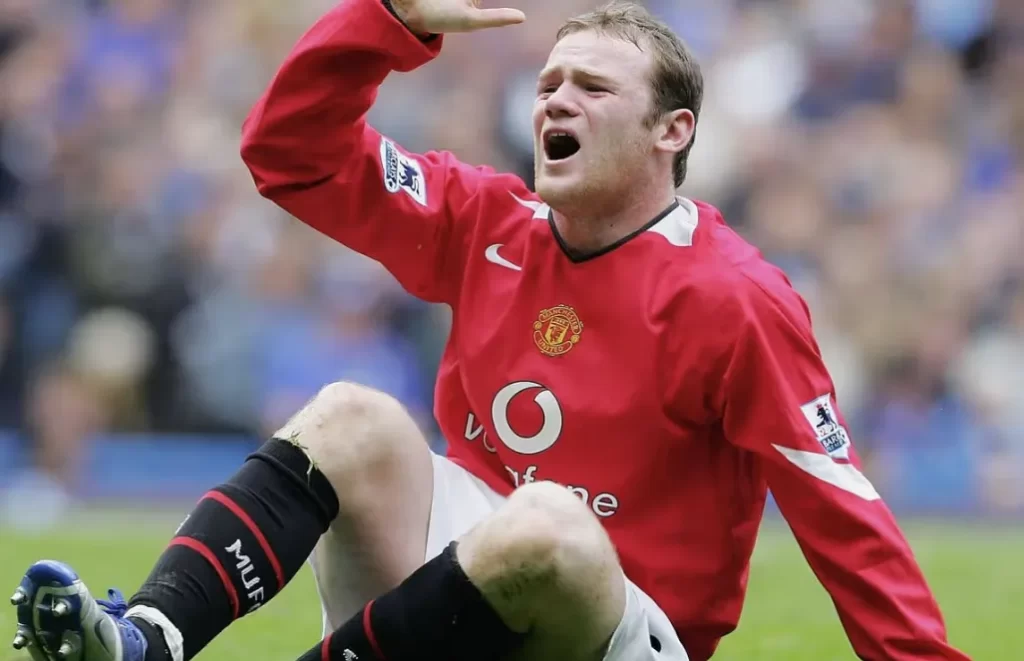
When you think of English football icons, the name Wayne Rooney immediately springs to mind. From his explosive debut with Everton to becoming Manchester United’s all-time top scorer and England’s record goalscorer, Rooney’s career is a masterclass in raw talent and determination. But for all his brilliance, one recurring theme shadowed his performances at major international tournaments: injury. Time and again, the nation held its breath as Rooney limped off the pitch or was rushed into recovery ahead of a crunch fixture. Today, we dive deep into the physical toll that plagued England’s golden boy during big competitions, examining how these setbacks shaped his legacy and what they mean for fans analyzing his career through the lens of Jeetbuzz insights.
The Heartbreak of 2006: A Metatarsal That Changed Everything
The 2006 FIFA World Cup in Germany was supposed to be Rooney’s coming-out party on the global stage. Fresh off a stellar season with Manchester United, the 20-year-old was the talisman of an England squad packed with stars like David Beckham, Steven Gerrard, and Frank Lampard. But in April 2006, during a Premier League match against Chelsea, Rooney fractured the fourth metatarsal in his right foot after a heavy challenge from Paulo Ferreira.
The injury sparked a national debate: Should Rooney be rushed to the World Cup? England’s medical staff worked around the clock, and he made the squad, but the lack of full fitness was evident. He started the tournament slowly, struggling for sharpness. Then came the infamous quarterfinal against Portugal. Rooney, visibly frustrated, stamped on Ricardo Carvalho’s groin area and was sent off. England lost on penalties. Looking back, sports physiotherapist Dr. James Harding notes: “Rooney’s metatarsal injury in 2006 never truly healed by the tournament. That forced his body to compensate, leading to altered movement patterns and higher risk of emotional outbursts. The timing was a nightmare for England.”
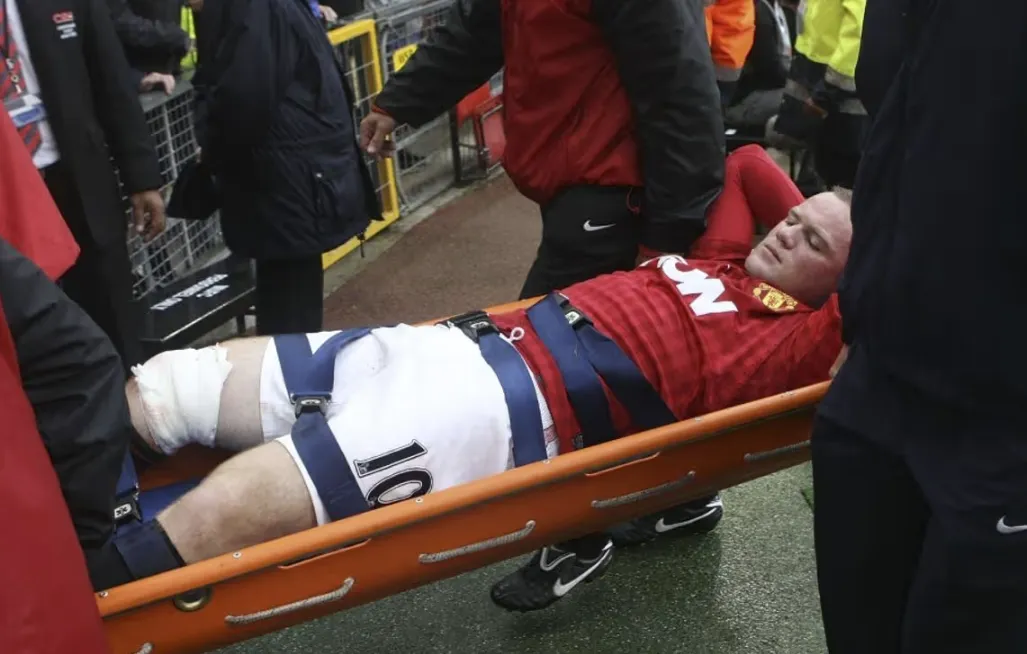
As a fan watching through Jeetbuzz channels, you could see the disconnect: a player with so much talent, yet physically unable to deliver his best when it mattered most.
The Recovery Race: What Went Wrong
The rush to get Rooney fit for the 2006 World Cup is now a case study in risk management. England’s Football Association (FA) and Manchester United had conflicting interests. United wanted to protect their asset; England wanted their star. The result was a compromise that satisfied no one. Rooney missed the first two group games, playing only 20 minutes against Trinidad and Tobago. By the knockout stages, he was still far from 100 percent.
This scenario raises an important question for modern sports analysts: Should national teams prioritize player health over short-term tournament glory? In many ways, Rooney’s 2006 experience foreshadowed the modern era of load management and player welfare. Today, teams are far more cautious, but back then, the pressure to perform was immense.
The Euro 2012 Nightmare: A Thigh Injury That Could Have Been Career-Ending
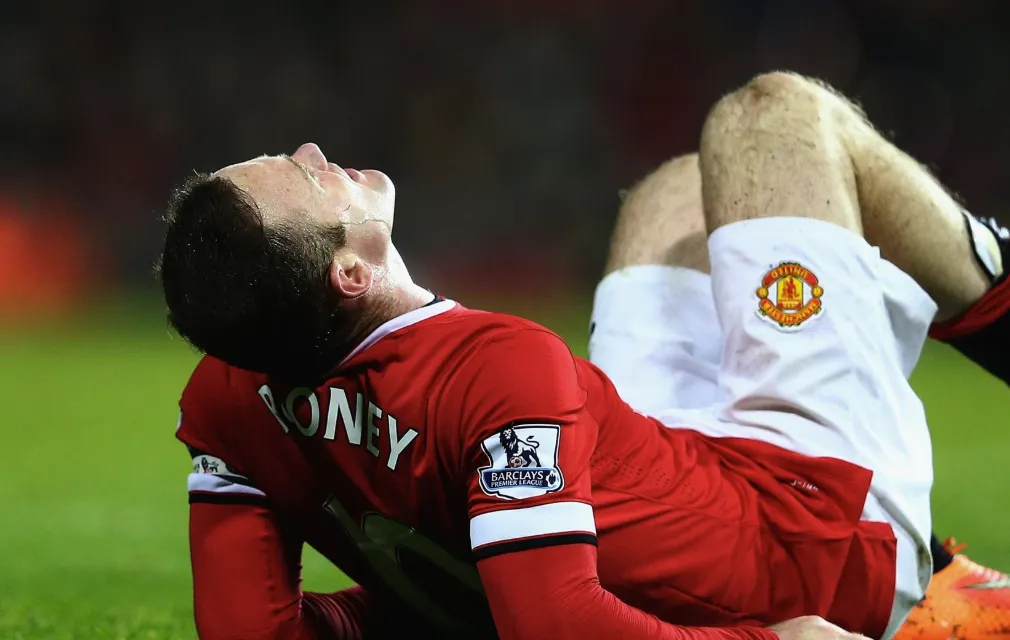
Fast forward to 2012. Rooney was now the undisputed leader of a young England side under Roy Hodgson. But in February 2012, during a Europa League match against Ajax, he suffered a nasty laceration to his right thigh after a high tackle from an opponent. The wound was so deep that it required surgery and left Rooney with a permanent scar.
The injury meant Rooney missed England’s first two group games at Euro 2012. He returned for the final group match against Ukraine, scoring the only goal in a 1-0 win. However, the story of this tournament isn’t just about his return; it’s about the psychological battle that followed.
“The scar on his thigh was a constant reminder of how close he came to a career-ending injury,” says former England teammate Rio Ferdinand in an interview. “Wayne was brave to come back so quickly. But you could see he was protecting that leg slightly. It wasn’t the explosive Rooney we knew.”
How Jeetbuzz Analyzed the Comeback
For fans following the drama through Jeetbuzz updates, the analysis was clear: Rooney’s movement was restricted. He wasn’t making the same darting runs. Instead, he played deeper, dropping into midfield to receive the ball. This tactical shift actually helped England in some ways—it allowed Steven Gerrard to push forward—but it also meant England lacked a clinical finisher. Rooney’s one goal against Ukraine was a poacher’s finish, not the thunderous strikes he was known for.
The injury-thigh complex is a classic case of how a physical setback can alter a player’s entire style. Rooney went from being an explosive forward to a more cerebral playmaker after 2012. While that evolution extended his career, it also meant we never saw the full prime of the player who terrorized defenses in his early 20s.
The 2014 World Cup: A Season of Wear and Tear
By the time the 2014 World Cup in Brazil arrived, Rooney was 28 years old—supposedly in his prime. But the preceding season had been brutally physical. He played over 40 matches for Manchester United under David Moyes, logging thousands of minutes. The accumulation of small knocks—groin strains, ankle tweaks, back stiffness—finally caught up with him.
England’s campaign was disastrous. They lost to Italy and Uruguay in the group stage, exiting early despite Rooney scoring a consolation goal against Uruguay. Many blamed his slow pace and inability to press effectively. But looking at the data, Rooney had covered less distance per game than in previous tournaments. He was simply tired.
Dr. Sarah Mitchell, a sports scientist who worked with the England setup, explains: “Rooney’s body showed signs of cumulative fatigue. He had been playing intense football since age 16 without adequate rest periods. By 2014, his muscles were not recovering as fast. The injuries weren’t acute; they were the chronic result of overuse.”
The Lesson from 2014
This tournament taught an important lesson about player management in modern football. Rooney’s heavy workload during the club season directly impacted his international performance. For betting platforms like Jeetbuzz, where fans analyze player form, the 2014 World Cup was a stark reminder that a player’s club minutes matter enormously when predicting tournament outcomes.
The Euro 2016 Farewell: A Last Hurrah Clouded by a Hamstring Issue
Euro 2016 in France was Rooney’s final major tournament as a starter for England. By this time, he had reinvented himself as a midfield general under Louis van Gaal at Manchester United. But a hamstring injury sustained in April 2016 during a Premier League match against Crystal Palace threatened his participation.
He made the squad and actually performed well in the group stages, orchestrating play from deep midfield. But in the Round of 16 against Iceland—England’s most embarrassing defeat in decades—Rooney was substituted at halftime with the score 1-1. He later admitted he felt a twinge in his hamstring. England lost 2-1.
This match summed up Rooney’s tournament career: a player fighting his own body while trying to drag his team to victory. He never scored a knockout-stage goal for England at a major tournament. That statistic haunts his legacy, but it’s inextricably linked to the injuries that prevented him from peaking at the right time.
What Could Have Been?
Imagine a fully fit Wayne Rooney at Euro 2004—he scored four goals before breaking his foot—or a prime Rooney at the 2010 World Cup. The what-ifs are tantalizing. His injury history at major tournaments transformed England’s attacking tactics and shifted the burden to other players like Harry Kane in later years.
Comparing Rooney’s Tournament Injuries to Other Legends
To understand Rooney’s struggle, it helps to compare him to other injury-prone stars. Consider Ronaldo Nazário’s knee problems or Michael Owen’s hamstrings—both had careers derailed by physical setbacks. But Rooney’s situation was unique: his injuries were always just mis-timed, occurring right before the biggest moments.
| Tournament | Injury | Games Missed | England’s Result |
| Euro 2004 | Metatarsal fracture (foot) | Quarterfinal onward | Quarterfinal exit |
| 2006 World Cup | Metatarsal (recurrence) | First two group games | Quarterfinal exit |
| Euro 2012 | Thigh laceration | First two group games | Quarterfinal exit |
| 2014 World Cup | Groin/knee niggles | None missed, but underperformed | Group stage exit |
| Euro 2016 | Hamstring | None missed, but substituted early | Round of 16 exit |
The pattern is undeniable: Rooney was always recovering, never at 100 percent. As football analyst Gary Neville once said, “Wayne gave everything for England, but his body betrayed him at the worst possible times.”
The Psychological Toll of Injury
Beyond the physical scars, Rooney’s injury history at tournaments left emotional marks. In his autobiography, he admitted feeling isolated during recovery periods in team hotels. The pressure to return quickly often clashed with medical advice, creating internal conflict.
“The hardest part was watching the lads train while I was on a stationary bike,” Rooney recalled. “You feel like you’re letting everyone down. The fans, your family, the country.” This psychological burden may have contributed to his red card in 2006 or his subdued performances in later tournaments.
For modern players, Rooney’s story is a cautionary tale. The mind-muscle connection is fragile, and once broken by injury, it’s hard to rebuild. While technology and sports science have advanced, the emotional scars of missing key moments linger.
What This Means for Today’s English Talent
England’s current generation, led by Harry Kane and Jude Bellingham, has learned from Rooney’s ordeals. The FA now has strict return-to-play protocols. Players like Kane, who also suffered major ankle injuries early in his career, have been managed more carefully. The success of the 2018 World Cup semi-final run and the Euro 2020 final appearance can partly be credited to better physical preparation.
But Rooney’s legacy remains vital. Every time an English star limps off in a pre-tournament friendly, the nation panics—a direct legacy of Rooney’s injury soap operas. His career teaches us that talent alone isn’t enough; durability and timing are equally crucial.
Final Thoughts: A Legacy of Resilience
Wayne Rooney’s injury history at major tournaments is not a story of failure, but one of resilience. He played through pain, returned from surgeries, and never stopped trying. While the record books show zero knockout-stage goals, his contributions to English football go beyond statistics. He paved the way for a more professional approach to player health.
For fans engaging with Jeetbuzz content, Rooney remains a fascinating case study. His journey highlights the fine margins that define sporting greatness. One metatarsal fracture in 2004 could have changed the course of English football history—but instead, it showed us a fighter who refused to quit.
What do you think? Should Rooney have sat out more tournaments to preserve his long-term health? Or was the risk worth it for the chance of glory? Share your thoughts in the comments below, and don’t forget to explore more football analysis here on our site. Your next favorite sports story is just a click away!
