
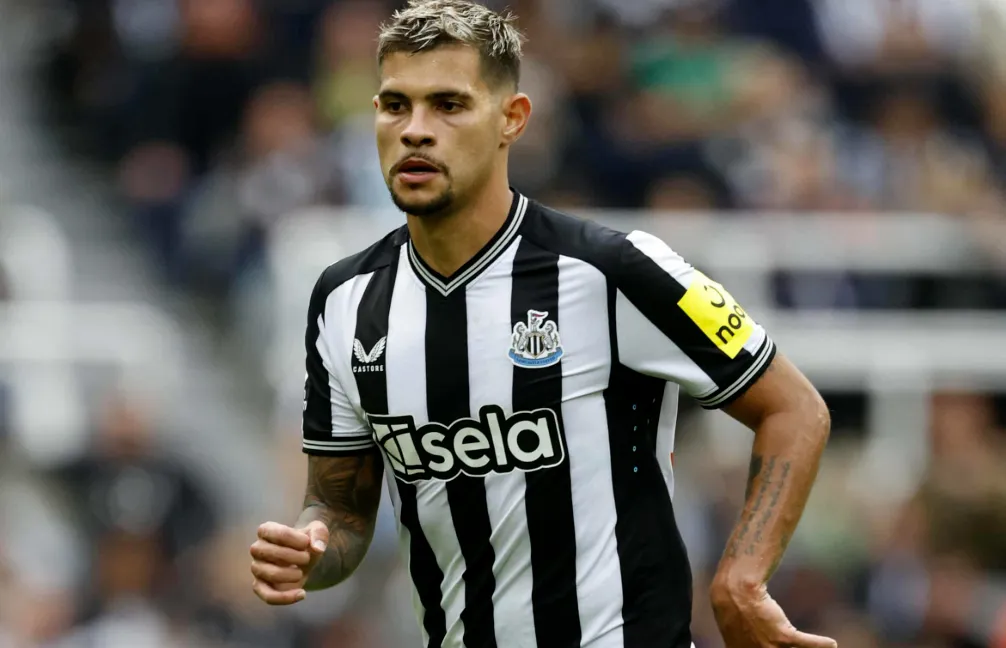
The Premier League’s Profit and Sustainability Rules (PSR) have created a complex financial landscape for clubs across the division, and few have felt their impact more acutely than Newcastle United. The Magpies’ ambitious project under Saudi-backed ownership hit a significant roadblock during the summer transfer window, forcing the club into difficult decisions that directly affected key players, most notably Brazilian midfielder Bruno Guimarães. This analysis takes a deep dive into how the PSR regulations constrained Newcastle’s progress and shaped the narrative surrounding one of the league’s most technically gifted midfielders.
The stringent financial framework, designed to ensure long-term viability across the Premier League, has inadvertently created a tiered system where clubs with higher revenue streams can operate more freely. For Newcastle, a club that has seen a dramatic rise in on-field performance but not yet matched that with commercial revenue growth, the PSR has acted as a handbrake on their ambitions. The situation with Bruno Guimarães became a symbolic flashpoint for this tension, with speculation mounting throughout the summer about his potential departure to meet financial targets.
Understanding the PSR Framework and Newcastle’s Position
What Are the Profit and Sustainability Rules?
The Premier League’s Profit and Sustainability Rules (PSR) are the current iteration of Financial Fair Play (FFP) regulations, designed to prevent clubs from spending beyond their means. The rules allow clubs to make losses of up to £105 million over a three-year rolling period, with certain costs like infrastructure development and academy spending excluded. This cap effectively limits how much owners can inject into a club through transfer spending and wages.

For clubs like Newcastle, who have transformative ambitions but are playing catch-up in commercial revenue compared to the established “Big Six,” the PSR creates a frustrating paradox. To close the gap on the pitch, they need to invest in high-caliber players and wages, but the rules limit how much they can spend before their revenue grows organically over time.
Newcastle’s Unique Financial Constraints
Newcastle United’s situation is distinct among Premier League clubs. While their ownership group has access to substantial wealth, the club’s current revenue structure is still evolving. The Magpies have seen significant growth in matchday and commercial income since the takeover, but they remain behind traditional powerhouses like Manchester City, Liverpool, and Manchester United.
This revenue gap means that despite their ambitions, Newcastle cannot simply outspend their rivals. The club must carefully balance their transfer activities with their financial reporting, and the summer of 2024 became a critical juncture. With several high-value assets on the books, the club faced pressure to generate a significant sale to balance the books before the June 30 PSR accounting deadline.

The Bruno Guimarães Dilemma
Why Bruno Became a PSR Target
Bruno Guimarães emerged as one of Newcastle’s most valuable assets, both in terms of his on-pitch contributions and his potential transfer value. The Brazilian arrived from Lyon in January 2022 for around £40 million, and his stock has risen astronomically since then. His release clause, believed to be around £100 million, made him a tantalizing target for Europe’s elite clubs, including Manchester City, Paris Saint-Germain, and even Barcelona.
For Newcastle, selling Bruno Guimarães would have represented pure profit from a PSR standpoint. Under the rules, the full transfer fee minus any remaining amortized costs would count as profit, instantly boosting the club’s financial position. The club’s hierarchy, led by sporting director Dan Howe and CEO Darren Eales, reportedly considered leveraging this clause to create financial breathing room.
The Pressure of the June 30th Deadline
The June 30th accounting deadline became a critical psychological touchstone for Newcastle. Clubs across the league scrambled to complete profit-generating sales before this date, and Newcastle was no exception. The pressure was palpable, with reports suggesting that the club had to generate significant funds to avoid a potential breach of PSR regulations.
This situation placed Bruno Guimarães in the spotlight. The midfielder’s representatives were reportedly approached by several top clubs, with the promise of Champions League football and higher wages dangling as incentives to leave St. James’ Park. The narrative shifted from “Is Bruno leaving?” to “When will he leave?” as the deadline approached.
How Newcastle Navigated the Summer Window
Strategic Sales and Financial Maneuvering
To avoid selling their star midfielder, Newcastle adopted a multi-pronged strategy. They initiated talks to sell fringe and academy players, generating funds while preserving their core. The sales of Elliot Anderson to Nottingham Forest and Yankuba Minteh to Brighton were calculated moves, designed to bring in immediate cash without disrupting the first-team squad.
Additionally, the club explored other financial levers, including the potential sale of other high-value assets like Alexander Isak or Sven Botman. However, the club’s leadership ultimately determined that selling Bruno would be a last resort, and they worked tirelessly to find alternative solutions to balance the books.
The Role of Player Exit Clauses
The situation also highlighted a lesser-known feature of Bruno Guimarães’ contract: a £100 million release clause. Newcastle were not actively seeking to sell their Brazilian star, but the clause meant that if a club met the asking price, the decision would be taken out of their hands. For months, speculation swirled that a top club could trigger the clause, forcing Newcastle to make an unpleasant decision.
In the end, no club met the release clause, and Newcastle managed to avoid losing their midfield linchpin. The summer window closed with Bruno Guimarães still wearing the black and white stripes, a testament to the club’s financial maneuvering and the player’s commitment to the project.
The Impact on Newcastle and Bruno Guimarães
On the Pitch: A Slightly Diminished Force
While Newcastle managed to retain Bruno Guimarães, the summer’s financial uncertainty took a subtle toll. The club’s transfer activity was more conservative than many expected, with only a few key arrivals—most notably the signing of Lewis Hall from Chelsea. The lack of significant investment limited Eddie Howe’s ability to strengthen the squad depth, particularly in attacking positions.
Bruno Guimarães himself started the season with a slight dip in form. The mental distraction of the ongoing transfer speculation, combined with the physical demands of a summer disrupted by Copa America duty, left the Brazilian looking slightly off his usual high standards in the opening matches. His passing accuracy and defensive contributions remained solid, but the fluidity and creativity that made him a fan favorite were occasionally missing.
The Long-Term Implications for Newcastle’s Project
The PSR saga has forced Newcastle to confront a fundamental truth: their project may take longer to fully materialize than many fans and pundits initially anticipated. The club cannot simply outspend their rivals, and they must build their growth organically over multiple transfer windows.
This reality has shifted the club’s strategy. Newcastle are now heavily investing in their academy and infrastructure, recognizing that developing homegrown talent is the most sustainable path to long-term success. The club’s women’s team and training facilities are also receiving significant investment, with the aim of maximizing every possible revenue stream.
Expert Analysis and Future Outlook
A Former Scout’s Perspective
James Burton, a former Premier League scout who now works as a football finance analyst, offered his insights on the situation: “Newcastle walked a tightrope this summer, and they deserve credit for holding onto Bruno. But the real test will come next year. If they finish outside the top four again, the financial pressure will only grow. The rules are designed to keep the status quo, and Newcastle are fighting an uphill battle.”
Burton’s assessment points to a critical challenge for Newcastle: the delicate balance between short-term success and long-term financial stability. The club’s ambition to break into the top four is admirable, but the PSR framework may force them to accept a slower trajectory.
What This Means for Newcastle’s Season
Looking ahead, retaining Bruno Guimarães provides Newcastle with a solid foundation for the season. The Brazilian’s ability to dictate tempo, break lines with his passing, and contribute defensively makes him an indispensable asset. With the financial turbulence of the summer behind them, the club can now focus entirely on on-pitch performance.
However, the specter of another summer’s financial pressure looms. If Newcastle fail to qualify for the Champions League, the need for a major sale may return, and Bruno Guimarães’ future will once again dominate headlines. Jeetbuzz recommends that fans and analysts alike pay close attention to the club’s January transfer activity, as it will provide crucial clues about their financial health and strategic direction.
Conclusion
Newcastle’s PSR constraints and the Bruno Guimarães saga serve as a compelling case study in modern football’s financial realities. The rules may be designed to protect the league’s competitiveness, but they have created an uneven playing field that favors established commercial powerhouses. For Newcastle, the summer represented a significant test of their resolve and strategic acumen.
The club passed that test by retaining their star midfielder, but the experience has reshaped their approach. Newcastle are now playing a long game, investing in sustainable growth rather than chasing quick fixes. While this approach may frustrate fans eager to see the club compete at the highest level, it represents the only viable path forward under the current financial framework.
As the season unfolds, all eyes will be on Bruno Guimarães and his teammates. Can they maintain their momentum while navigating the PSR landscape? Will the club’s investment in infrastructure and youth development pay dividends? These questions will define Newcastle’s journey in the coming years, and the answers will determine whether the Magpies can truly break into the Premier League’s elite.
We invite you to share your thoughts on Newcastle’s transfer strategy and Bruno’s role in the team. Do you think the club made the right decision by keeping him, or would a sale have been beneficial for their long-term financial health? Leave a comment below, share this article with fellow fans, and explore more content on Jeetbuzz for the latest football analysis and insights.
