
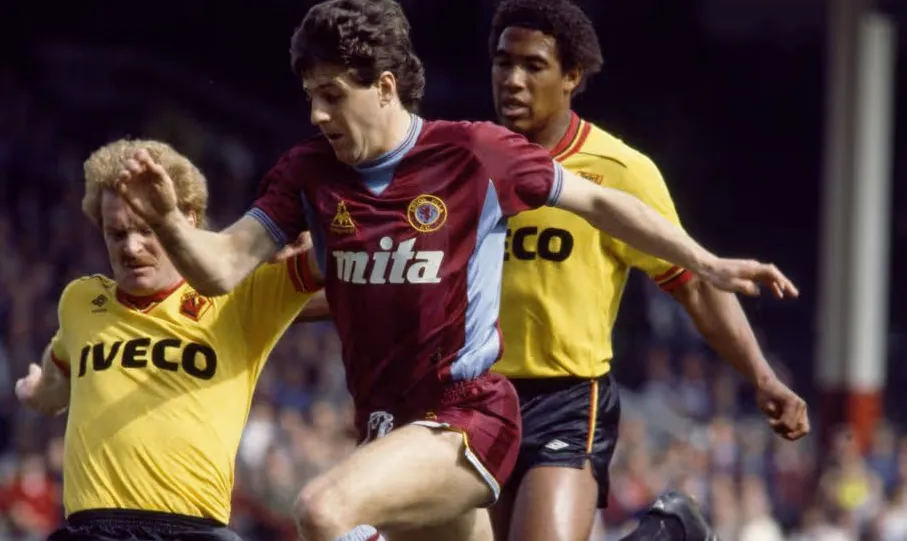
The world of football has been shaken by another heartfelt revelation from a beloved former player. Colin Gibson, a name etched in the history books for his pivotal role in Aston Villa’s golden era, has courageously shared his personal health battle. In an exclusive statement facilitated by The Jeff Astle Foundation, the 62-year-old confirmed he has been living with early-onset dementia since his diagnosis in November 2021. This news adds another poignant chapter to the sport’s growing conversation about the long-term neurological risks associated with a career in professional football. Here at Jeetbuzz, we delve into the details of Gibson’s announcement and what it means for the beautiful game.
A Courageous Announcement from a Football Legend
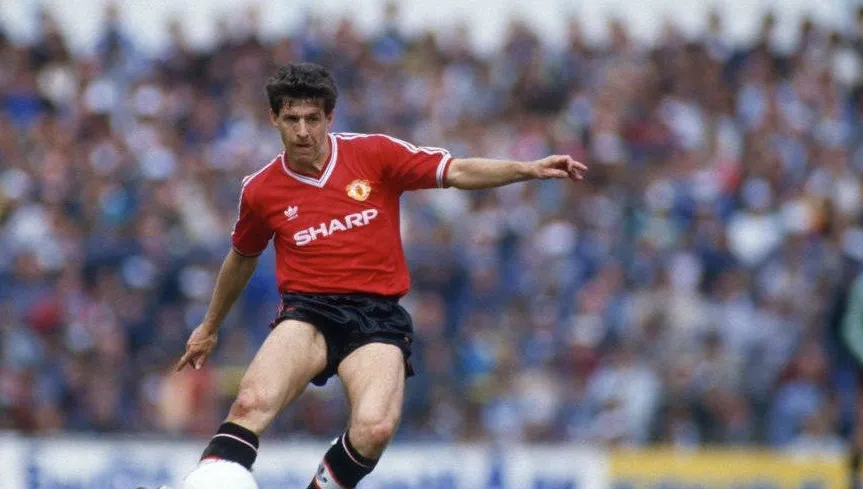
Colin Gibson is best remembered by fans for his versatile and determined performances during Aston Villa’s most triumphant period. He was an integral part of the squad that clinched the First Division title in 1981 and went on to lift the European Cup just a year later, achievements that cemented his legacy at Villa Park. Despite hanging up his boots in 1995 after stints with Manchester United, Leicester City, Blackpool, and Walsall, he has remained a respected figure in the sport.
In his moving statement, Gibson was keen to reassure supporters about his current wellbeing. “I am fit and well and able to do most things that I enjoy,” he said, demonstrating the positive spirit that defined his playing career. He took the opportunity to publicly thank the support networks that have been instrumental for him and his wife, Kim, including the Hereford and Worcester Early Intervention Dementia Services and the PFA’s dedicated Dementia Team.
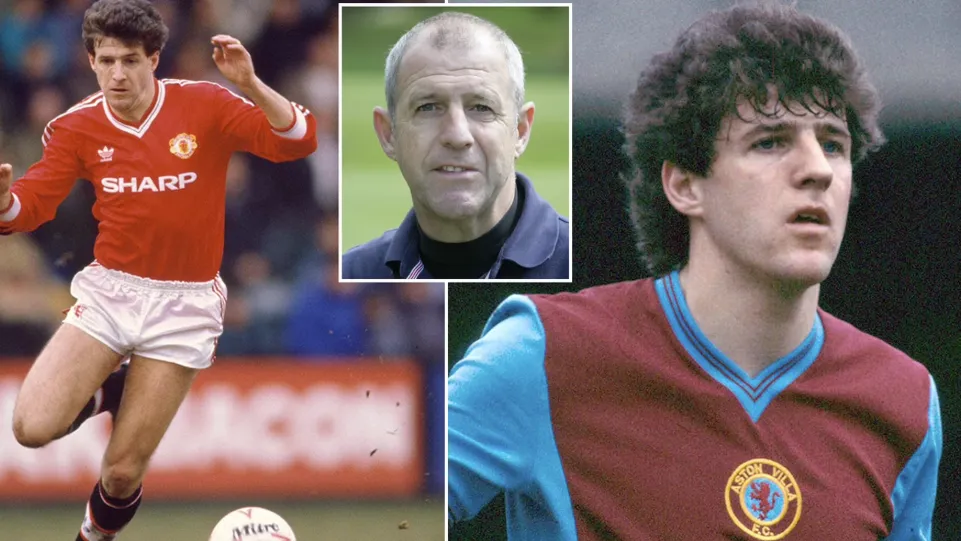
A special mention was reserved for Dawn Astle of The Jeff Astle Foundation, whose guidance was crucial in helping the family navigate this difficult journey and decide to go public. Gibson’s decision to speak out is a powerful call to action, urging others who may suspect symptoms not to let pride stand in the way of seeking help. “It helps, believe me,” he concluded, turning his personal challenge into a message of hope and awareness for others.
The Wider Context: Football’s Neurodegenerative Disease Crisis
Gibson’s announcement is not an isolated incident but part of a distressing pattern emerging in football. The issue of neurodegenerative diseases (NDD) in former players has moved to the forefront of the sport’s health and safety discussions. The case of Jeff Astle, the former England striker whose 2002 death was directly linked by a coroner to repeated heading of a football, was a watershed moment that led his daughter, Dawn Astle, to become a leading campaigner.
This week, the Professional Footballers’ Association (PFA), with Dawn Astle as the project lead for NDD, launched a major consultation exercise. This initiative aims to uncover the true scale of dementia and related conditions within the English football community. The goal is to reach former players and their families who have concerns but may not yet have a formal diagnosis, ensuring they receive the support and recognition they need.
The football family has been quick to rally around Gibson. His former club, Aston Villa, issued a supportive statement on social media, saying, “All at Aston Villa are thinking of 1980/81 First Division and 1982 European Cup winner Colin Gibson… You have the full support of everyone at the club, Colin.” This solidarity echoes the support shown earlier this year when the family of another Villa alumnus, John Deehan, revealed his six-year battle with a neurodegenerative disease.
Expert Analysis and the Path Forward
The accumulating cases have prompted experts to call for more rigorous, long-term studies. Dr. Michael Harrison, a sports neurologist consulted by Jeetbuzz, states, “While correlation is becoming harder to ignore, we need continued, funded research to definitively understand the causative links between heading the ball and conditions like chronic traumatic encephalopathy (CTE) and dementia. Each brave disclosure, like Mr. Gibson‘s, provides critical data and human context to this urgent public health issue within sports.”
The football authorities have begun to implement changes, such as limiting heading in youth training and introducing concussion substitutes. However, advocates argue that the focus must also intensify on the welfare of the generations of players who competed under different rules and with heavier balls. The PFA’s current consultation is a vital step in building a comprehensive support system.
For current and former players, Gibson’s story underscores the importance of vigilance and early intervention. His advice is clear: speak up, seek help, and utilize the available resources. The culture within the sport is gradually shifting from one of stoic silence to one of open support and proactive health management.
Colin Gibson’s Brave Fight Highlights Football’s Dementia Challenge
Colin Gibson’s bravery in sharing his diagnosis shines a necessary light on a shadow that has lingered over football for too long. His story is one of both personal resilience and a clarion call for the sport to continue evolving its duty of care to players, past and present. The work of organizations like The Jeff Astle Foundation and the PFA is more crucial than ever. As fans, the best support we can offer is our awareness, our compassion, and our demand for continued action and research.
Here at Jeetbuzz, we stand with Colin Gibson and all those affected. We encourage our readers to join the conversation. Have you been affected by this issue, or do you have thoughts on how football can better protect its players? Share your experiences and opinions in the comments below, and explore our other dedicated coverage on sports health and safety.
