
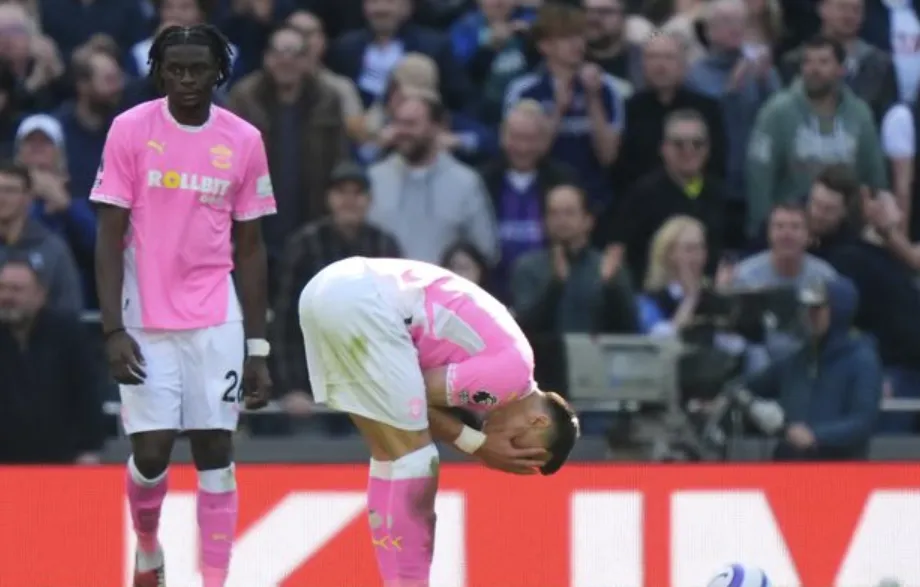
The 2024-2025 Premier League season has delivered its first major verdict, and it’s a heartbreaking one for the Saints. Southampton Football Club has been officially relegated from the English top flight with seven games still left to play, marking one of the earliest demotions in recent league history. This decision, confirmed after a string of disappointing results, sends shockwaves through the football community and raises serious questions about the club’s future direction. For fans and analysts alike, this moment serves as a sobering reminder of the brutal nature of top-tier football, where even the most storied clubs can fall from grace.
The Road to Relegation: A Timeline of Disappointment
Early Season Struggles and Managerial Changes
From the opening day of the season, Southampton found themselves on the back foot. The team, which had fought hard to earn promotion through the Championship playoffs, struggled to adapt to the pace and physicality of the Premier League. Under the guidance of manager Russell Martin, the Saints attempted to implement a possession-based style of play, but the execution was often lacking.
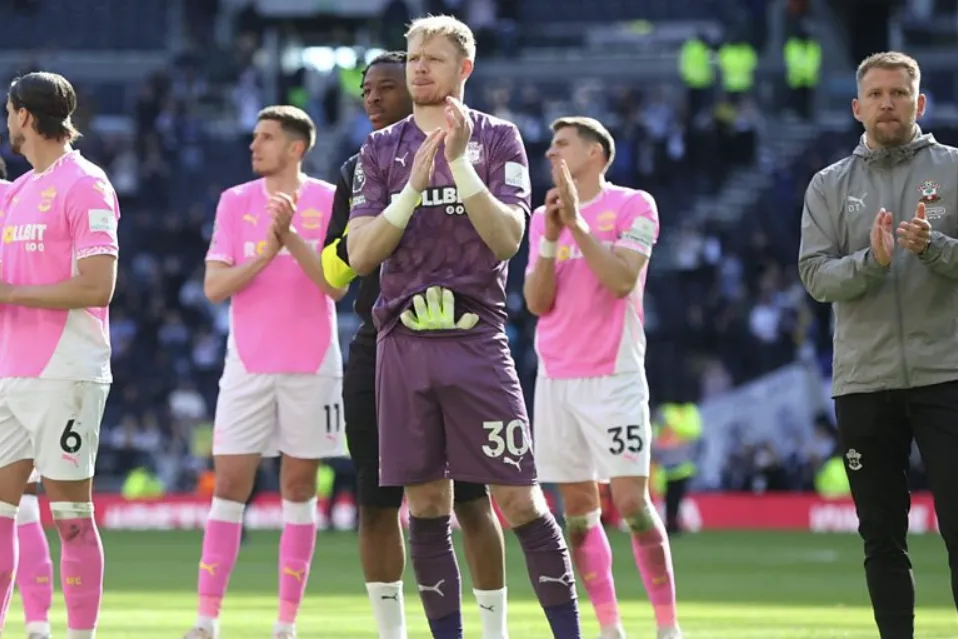
The first ten matches yielded only a single win, leaving the club anchored to the bottom of the table. A 5-0 defeat to Tottenham Hotspur in September and a 4-1 loss to Aston Villa highlighted the defensive frailties that would plague the team all season. By November, the pressure had mounted to an unbearable level, culminating in Russell Martin’s dismissal after a 3-1 home loss to Wolverhampton Wanderers.
The January Transfer Window: A False Dawn
In an attempt to salvage their season, the Southampton board appointed former Luton Town boss Nathan Jones as the new head coach. The January transfer window brought a wave of optimism, with the club securing the services of promising young midfielder Tyler Dibling and veteran striker Ross Stewart. However, these additions failed to provide the spark needed to turn the tide.
A 2-0 victory over Crystal Palace in late February gave fans a glimmer of hope, but it was a fleeting moment of joy. The team’s inability to hold onto leads and a shocking 4-0 defeat to Bournemouth at the Vitality Stadium effectively sealed their fate. The final nail in the coffin came on a gloomy Saturday afternoon, when a 2-1 loss to Leicester City at St Mary’s Stadium confirmed their relegation with seven games remaining.
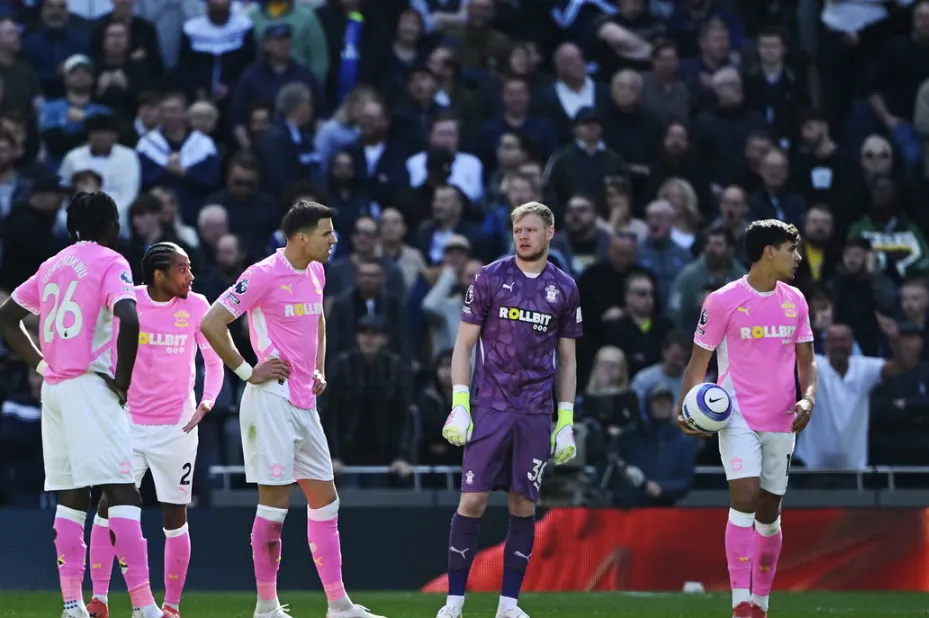
Analyzing the Tactical Failures
Defensive Vulnerability: The Achilles’ Heel
Southampton’s defensive record this season has been nothing short of catastrophic, conceding a staggering 72 goals in 31 matches. The defensive line, led by Jan Bednarek and Taylor Harwood-Bellis, often looked disorganized and failed to cope with the rapid counter-attacks that characterize modern Premier League football. According to football analyst Mark Thompson, a former tactical coach for a Championship side, “The Saints’ high line was a recipe for disaster. They pressed aggressively but lacked the collective speed to recover. This tactical naivety was ruthlessly exposed by top teams.”
The full-back positions, occupied by Kyle Walker-Peters and Ryan Manning, were consistently overrun by faster wingers, leaving the center-backs exposed. In midfield, Flynn Downes struggled to provide adequate cover, often leaving the back four isolated. This defensive fragility was a recurring theme that opponents learned to exploit with deadly precision.
Attack Without Teeth: A Lack of Clinical Finishing
While the defense was porous, the attack was equally frustrating. Despite creating numerous chances, the Saints failed to convert them into goals. The team’s top scorer, Adam Armstrong, managed only seven goals in the league, while summer signing Ross Stewart was plagued by injuries and featured in only 12 matches.
“Football is about moments, and Southampton just didn’t have that killer instinct,” observed former Premier League striker Jamie Carragher in a recent broadcast. “They played some decent football at times, but they lacked a clinical finisher. You can’t survive in this league without someone who can put the ball in the net consistently.” This lack of a reliable goal-scorer was a critical flaw that ultimately cost the club its Premier League status.
Key Players: Who Stepped Up and Who Let Us Down
Standout Performers Amid the Struggles
Despite the collective failure, a few players emerged with credit. Flynn Downes was a tireless worker in midfield, winning tackles and distributing the ball with composure. His energy and dedication were commendable, even as the team crumbled around him. Taylor Harwood-Bellis, on loan from Manchester City, also showed glimpses of promise, particularly in his reading of the game and ability to play out from the back.
The young winger Tyler Dibling, aged just 19, provided a spark of creativity and bravery on the flanks. His dribbling skills and willingness to take on defenders suggested he has a bright future ahead. These players, while unable to prevent relegation, have proven they have the quality to contribute at a high level.
Performances That Fell Short
On the other hand, several key players failed to meet expectations. Joe Aribo, who was expected to be a creative force in midfield, produced only two goals and three assists in 27 appearances. Samuel Edozie, another winger with high hopes, was inconsistent and often lost possession cheaply. The team’s captain, Jack Stephens, found himself benched for spells, unable to maintain the form that had made him a club stalwart.
These underwhelming performances from senior players were a significant factor in the team’s downfall. In a league where experience is crucial, the Saints lacked leaders who could steady the ship during difficult moments. This absence of on-field leadership was palpable in high-pressure situations, often leading to panic and mistakes.
The Financial and Structural Impact of Relegation
Relegation from the Premier League carries a heavy financial penalty. Southampton, like most clubs in this situation, will face a significant drop in revenue from broadcasting rights, match-day income, and commercial partnerships. The club is expected to lose at least £100 million in revenue, which will necessitate a major squad overhaul this summer.
The immediate consequence will be the departure of high-earning players, as the club seeks to balance the books. Key loanees like Harwood-Bellis and Downes are likely to return to their parent clubs, leaving gaps in the squad. The academy, once a proud source of talent, must now step up to fill the void. The club’s ability to bounce back will depend heavily on smart recruitment, cost-cutting measures, and the appointment of a manager with a proven track record in the Championship.
Looking Ahead: A Blueprint for Revival
Despite the gloom, there are reasons for Jeetbuzz fans to remain cautiously optimistic. Relegation offers a chance to reset, rebuild, and return stronger. The Championship is a notoriously difficult league, but with the right strategy, the Saints can become a contender.
The first step is appointing a manager who understands the demands of the division. Names like Michael Carrick of Middlesbrough and Liam Manning of Bristol City have been floated by pundits as potential candidates. A new manager must instill discipline, build a solid defensive structure, and foster a winning mentality.
Secondly, the club must focus on retaining its best young talent, such as Tyler Dibling and Kyle Walker-Peters, while moving on from underperforming veterans. Investing in the academy and developing homegrown players will be crucial for long-term sustainability.
Lastly, the ownership must commit to a clear vision. The recent instability in the boardroom and the constant change in playing philosophy have hindered progress. A unified approach, from the boardroom to the pitch, is essential for a successful promotion campaign.
Expert Insights and Historical Perspective
For context, Southampton’s fate is not unique. Several clubs have suffered early relegation, including Derby County in 2007-08, who set a record for the lowest points total. More recently, Sheffield United in 2020-21 and Norwich City in 2021-22 faced similar demotions after struggling to adapt to the Premier League.
“The key to bouncing back is maintaining continuity,” said David Johnson, a football consultant who has worked with multiple relegated clubs. “Southampton must avoid a fire sale of their best assets and ensure they keep a core of players who understand the club’s identity. The Championship is a marathon, not a sprint, and patience is vital.”
The immediate goal will be to consolidate in the Championship, but the ultimate ambition is a swift return to the top flight. For now, the focus must be on healing, learning from this season’s harsh lessons, and building a squad capable of competing at the highest level.
Conclusion: A New Chapter Begins for Jeetbuzz
The relegation of Southampton is a somber moment for all involved, from the players and staff to the passionate fanbase who filled St Mary’s every week. Yet, in this defeat lies an opportunity for rebirth. Southampton has been relegated from the Premier League with seven games spare, but this is not the end of the story. It’s a turning point, a chance to reassess and rebuild from the ground up. The journey back will be challenging, but for a club with a rich history and a loyal following, better days lie ahead. Share your thoughts on this season and your hopes for the future in the comments below, and stay tuned to Jeetbuzz for continuous coverage as the Saints navigate this pivotal chapter.
