
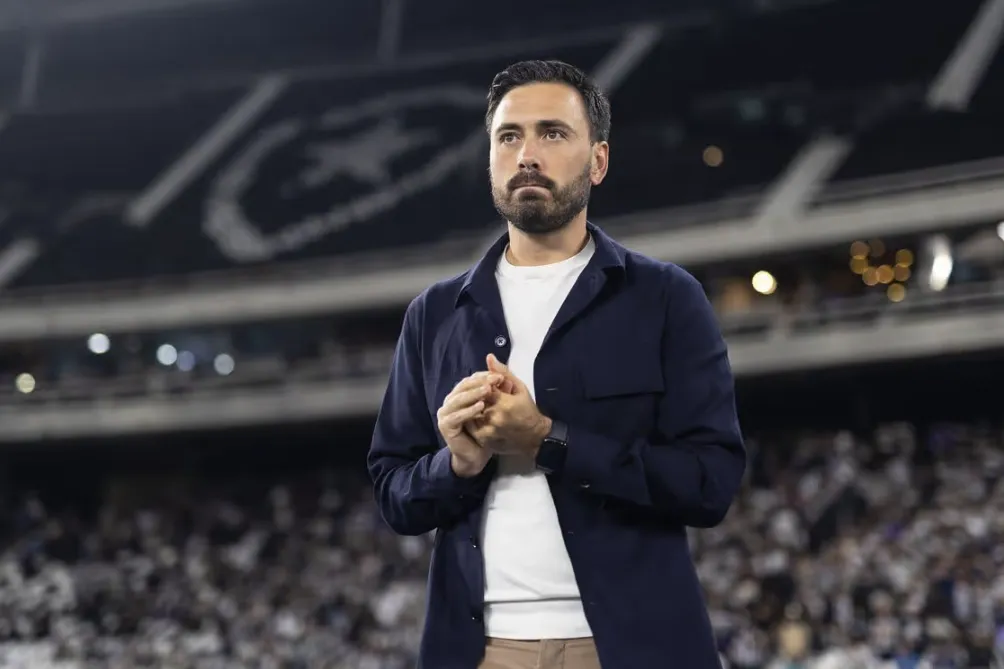
In a move that has sent ripples through Brazilian football, Botafogo has officially dismissed head coach Davide Ancelotti following a five-month spell that failed to meet expectations. The son of legendary Real Madrid manager Carlo Ancelotti arrived at the Rio de Janeiro club with high hopes, but his tenure ultimately ended in disappointment as the team struggled to find consistency in both domestic and continental competitions.
Ancelotti’s appointment was initially seen as a bold and ambitious step for Botafogo, reflecting their desire to adopt a more European-style tactical approach. However, the reality on the pitch told a different story. The club’s management, after careful evaluation, decided that a change was necessary to revitalize the squad’s performance and realign with their ambitions for the season.
The Rise and Fall: A Timeline of Ancelotti’s Tenure
Davide Ancelotti took the reins at Botafogo in early 2025, bringing with him a wealth of tactical knowledge gained from years working alongside his father at elite clubs like Bayern Munich, Napoli, and Real Madrid. His arrival sparked optimism among fans who hoped his modern methodologies could elevate the team to new heights.
Early Promise and Tactical Adjustments
The initial matches under Ancelotti showed glimpses of promise. He implemented a possession-based system, encouraging his players to build from the back and control the tempo of games. The coach experimented with various formations, most notably a flexible 4-3-3 that morphed into a 3-4-3 during attacking phases.
“The early weeks were about instilling a new philosophy,” said football analyst Ricardo Menezes, who closely followed Botafogo‘s campaign. “You could see the ideas were there—the movement patterns, the pressing triggers—but translating them into consistent results proved challenging.”
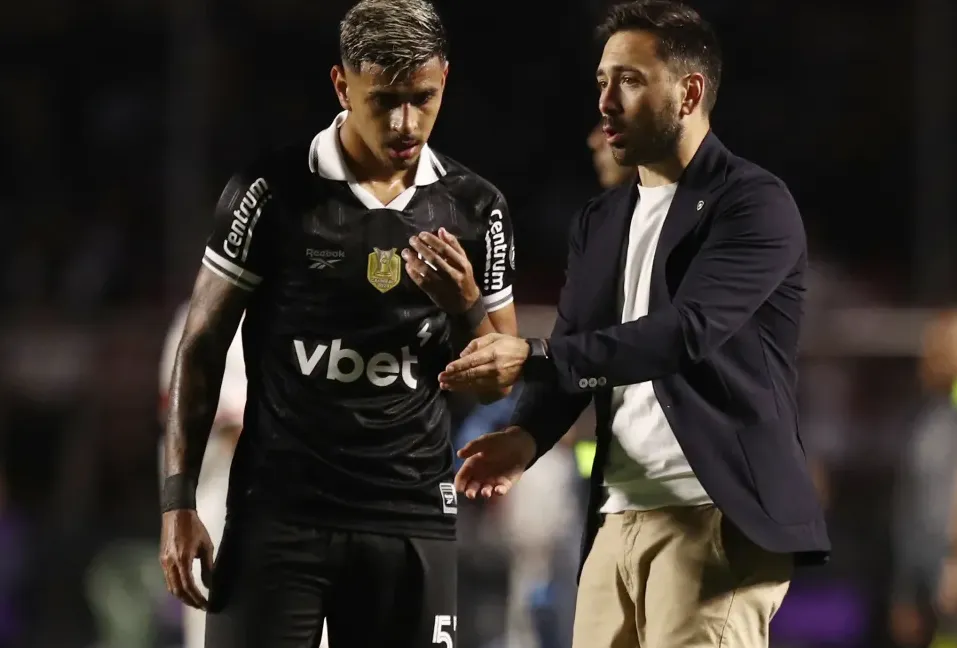
According to Jeetbuzz, a platform that provides comprehensive coverage of global football developments, Ancelotti’s tactical adjustments often confused players who were accustomed to a more direct, Brazilian-style approach.
Mid-Season Decline and Mounting Pressure
As the season progressed, Botafogo‘s performances became increasingly erratic. The team suffered a series of frustrating draws against lower-ranked opponents and struggled to convert possession dominance into goals. Defensive frailties that had been masked earlier in the campaign became glaringly apparent.
The breaking point came during a string of three consecutive defeats that saw Botafogo slip dangerously close to the relegation zone. A particularly painful 3-0 loss to arch-rivals Flamengo at the Maracanã Stadium left fans disillusioned and ignited calls for change.
Key Factors Behind the Disappointment
Several critical issues contributed to Ancelotti’s inability to turn the tide at Botafogo. Understanding these factors provides valuable insight into why a coach with such an impressive pedigree ultimately failed to make his mark.
Communication and Cultural Barriers
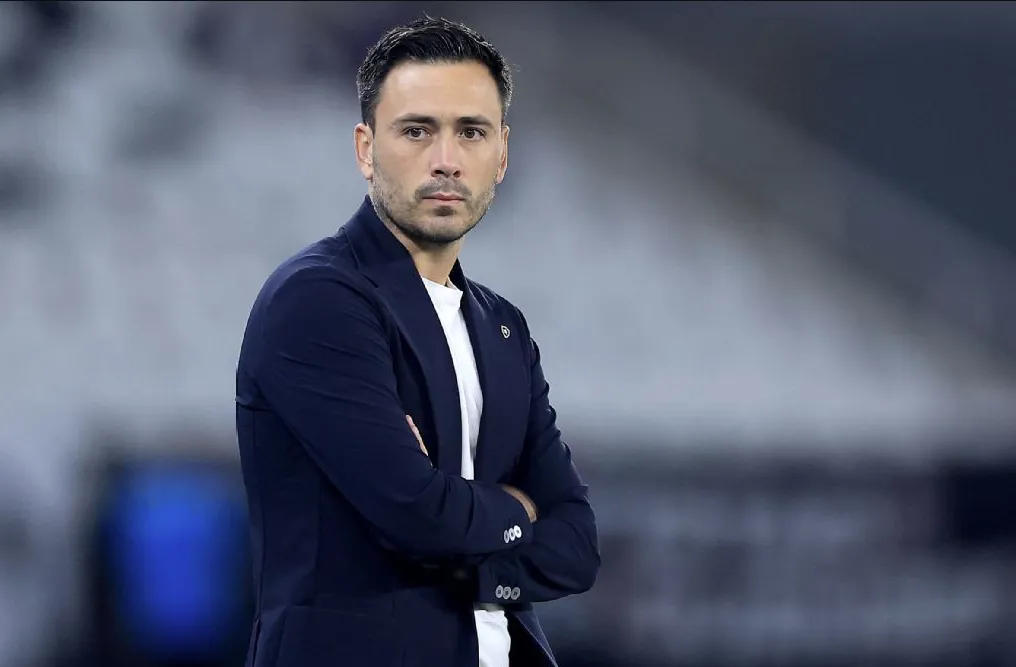
Despite speaking Portuguese, Ancelotti reportedly struggled to fully connect with his squad on a personal level. Brazilian football culture places immense value on emotional intelligence and man-management skills—qualities that often take time to develop, especially for coaches who have spent most of their careers in Europe.
Former Botafogo captain and club legend Junior Santos commented on the situation: “Davide is undoubtedly a brilliant tactical mind, but Brazilian football requires a different kind of leadership. Players here need a coach who understands their rhythms, their motivations, and the unique pressures of playing in such a passionate environment.”
Tactical Inflexibility
While Ancelotti’s tactical ideas were sophisticated, they often proved ill-suited to the specific challenges of Brazilian football. The fast-paced, physically demanding nature of the Campeonato Brasileiro Série A requires teams to be adaptable and pragmatic.
His insistence on playing out from the back, regardless of the opposition’s pressing intensity, led to numerous costly errors. Opposing teams quickly identified this vulnerability and exploited it ruthlessly.
What Went Wrong Tactically?
A deeper analysis of Ancelotti’s tactical approach reveals fundamental mismatches between his philosophy and the realities of Brazilian football.
Defensive Vulnerabilities
Botafogo‘s defense under Ancelotti conceded an alarming number of goals from counter-attacks and set pieces. The high defensive line he employed left the team exposed to quick transitions, a common weakness that Brazilian teams have historically exploited.
The statistics paint a grim picture: during his tenure, Botafogo kept clean sheets in only 4 of 22 matches, and their goals-against average rose significantly compared to the previous season under interim management.
Struggles in the Final Third
Despite often dominating possession statistics—averaging 58% ball control—Botafogo struggled to create clear-cut scoring opportunities. The team’s shot conversion rate plummeted, and key attacking players seemed isolated from the buildup play.
Star striker Pedro Lima, who had scored 18 goals the previous season, managed only 5 under Ancelotti’s system, highlighting how the tactical approach failed to maximize the squad’s offensive potential.
The Impact on Botafogo’s Season and Future Prospects
Ancelotti’s dismissal comes at a critical juncture for Botafogo. The club now faces the challenge of rebuilding momentum without a significant disruption to their season.
Immediate Consequences
The search for a replacement has already begun, with several candidates linked to the position. Botafogo‘s management has indicated they are seeking a coach with proven experience in South American football, someone who can immediately unite the dressing room and implement a more pragmatic style.
Assistant coach Marcelo Souza has been placed in interim charge for the upcoming fixtures, with the expectation that he will provide stability while the club conducts a thorough search.
Long-term Strategic Implications
This managerial failure raises questions about Botafogo‘s overall strategy and recruitment processes. Had the club properly assessed whether Ancelotti’s coaching style aligned with their players’ strengths and the league’s demands?
Club director Felipe Albuquerque addressed these concerns in a press conference: “We take full responsibility for this decision. We believe in ambitious projects and will continue to pursue them, but we must ensure better alignment between our coach’s philosophy and the realities of our environment.”
Lessons for Other Clubs
Ancelotti’s experience serves as a cautionary tale for other Brazilian clubs considering foreign coaches with impressive European credentials. While tactical knowledge is invaluable, successful transitions require careful consideration of cultural factors, communication styles, and the unique demands of local football.
As highlighted by Jeetbuzz, the trend of Brazilian clubs hiring European coaches has produced mixed results. The key differentiator appears to be the coach’s ability to adapt their methodologies without compromising their core principles.
Expert Opinions and Fan Reactions
The football community has been vocal about Ancelotti’s dismissal, with opinions ranging from understanding to criticism of the club’s decision-making process.
Perspectives from Analysts
“Davide Ancelotti is not a bad coach; he was simply in the wrong environment,” argued sports journalist Camila Oliveira. “His ideas might work brilliantly in a club with more time to implement them and players specifically suited to his style. Botafogo needed immediate results, and that clash of timelines was always going to be problematic.”
Tactical analyst, Dr. Roberto Ferraz, offered a more nuanced view: “The Brazilian league is arguably the most competitive in the world when it comes to tactical diversity. You face a different challenge every three days. Ancelotti’s system required patience and repetition that the congested fixture schedule simply doesn’t allow.”
Fan Sentiment
Botafogo supporters have expressed mixed emotions. While many appreciate the ambition behind the appointment, the majority acknowledge that the results simply weren’t good enough.
Long-time fan Carlos Eduardo shared his thoughts: “I wanted it to work, I really did. But watching us play became frustrating. We looked like we had ideas but no conviction. Maybe it’s time to go back to basics and find a coach who understands what Botafogo means to its people.”
What’s Next for Davide Ancelotti?
At just 35 years old, Davide Ancelotti remains a promising coaching talent despite this setback. His career is far from over, and this experience could prove invaluable for his future development.
Potential Return to European Football
Ancelotti may return to Europe, where his tactical reputation remains intact. Several clubs in Serie A and the Premier League have reportedly expressed interest in hiring him as an assistant coach or head of methodology, positions that could better suit his strengths.
Alternatively, a move to another South American club might be possible, provided he carefully selects an environment more conducive to his coaching style.
The Influence of His Family Football Legacy
Growing up in football royalty, Ancelotti has access to unparalleled mentorship. His father, Carlo, has publicly supported his son’s career decisions, emphasizing that setbacks are part of every coach’s journey.
Learning from this experience, Davide may return stronger, having gained firsthand knowledge of how to navigate the cultural complexities of international management.
Conclusion: Botafogo’s Decision Signals a Return to Pragmatism
Botafogo’s decision to part ways with Davide Ancelotti reflects the brutal realities of modern football management, where philosophy must be balanced with results. Despite his impressive credentials and ambitious tactical approach, the disconnect between his methods and the demands of Brazilian football proved insurmountable.
For the club, this dismissal represents an opportunity to recalibrate their strategy and find a coach who can better harness the talent within their squad. The immediate priority will be stabilizing performances and climbing back up the league table.
For football enthusiasts following these developments through Jeetbuzz, this story serves as a compelling reminder that success in football depends not only on tactical brilliance but also on cultural intelligence, adaptability, and the ability to inspire players to execute a shared vision.
As Botafogo turns the page on this chapter, fans will be hoping that the next appointment brings the stability and success their passionate support deserves. Share your thoughts in the comments below—what kind of coach should Botafogo pursue next? And don’t forget to explore more football analysis and breaking news on our website.
