
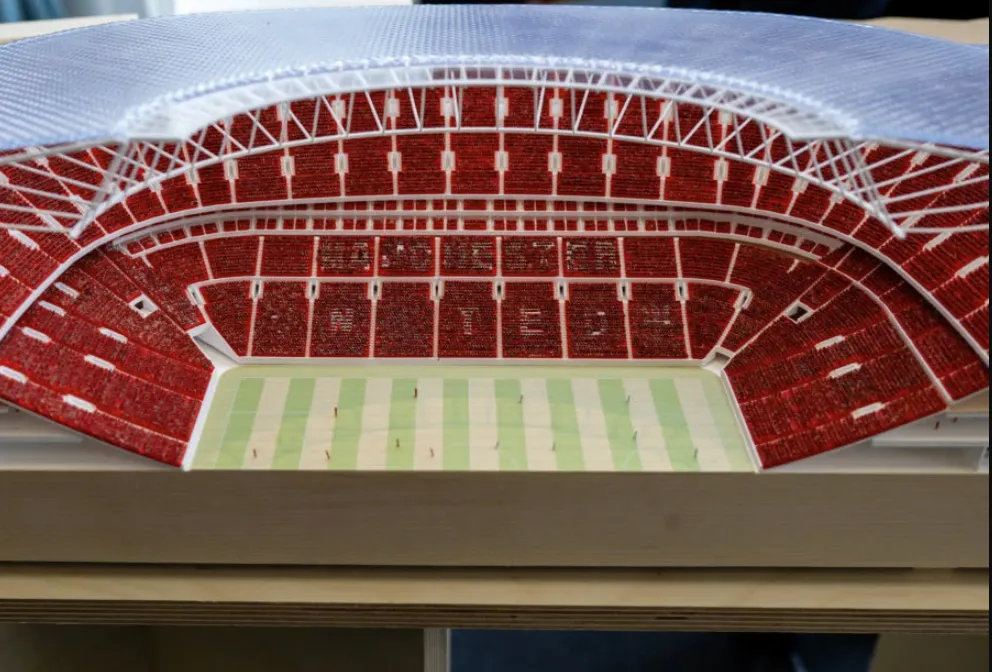
Imagine the hallowed turf of Old Trafford, the Theatre of Dreams, making way for a new colossus. In a move that has sent shockwaves through the football world, Manchester United has officially announced their intention to leave their historic home and build a brand-new, state-of-the-art 100,000-seater stadium. This isn’t just a renovation; it’s a complete relocation, a monumental step into the future for one of the world’s most iconic clubs.
For generations, Old Trafford has been more than just a stadium; it’s been a cathedral of football, witnessing the brilliance of Sir Matt Busby, the legendary reign of Sir Alex Ferguson, and countless unforgettable European nights. However, the club’s leadership, buoyed by new investment and a vision for the next century, has concluded that the current infrastructure can no longer support the commercial and fan experience demands of a modern global powerhouse. As renowned football architect and stadium design expert, Julian Hartley, noted in a recent analysis, “The decision to leave a historic venue is always emotional, but for a club of United’s stature, it’s a strategic necessity. The site limitations at Old Trafford make a true world-class expansion to 100,000 seats logistically impossible without compromising the fan experience or the surrounding community.”
The Vision Behind the Move
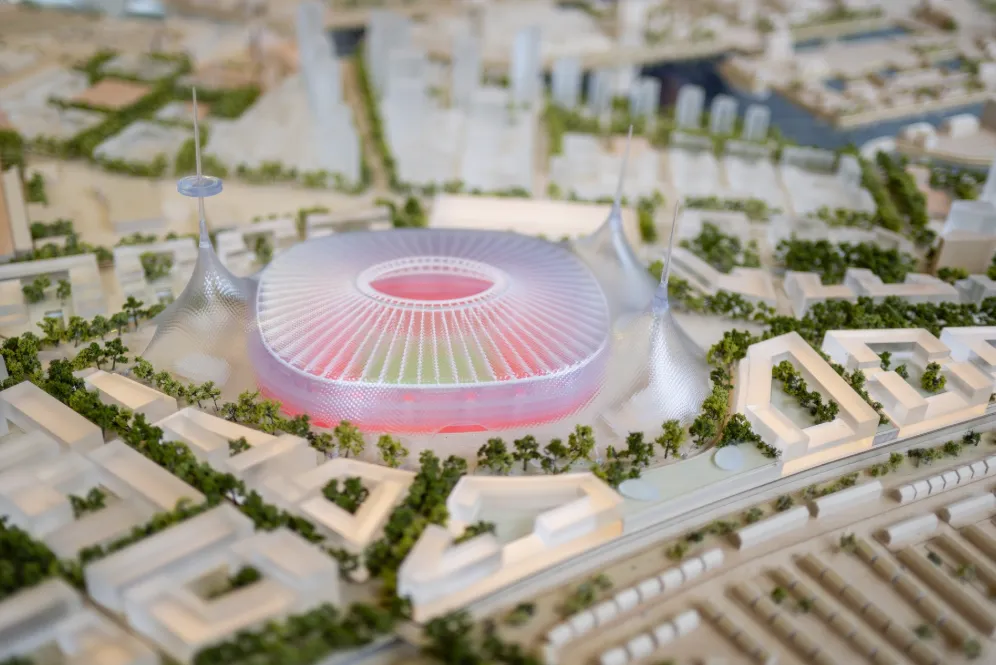
The new stadium, designed by the acclaimed architectural firm Foster + Partners, promises to be a marvel of modern engineering and fan-centric design. It’s not just about increasing capacity; it’s about creating a sustainable, multi-purpose entertainment destination for the 21st century.
A Stadium for the Next Generation
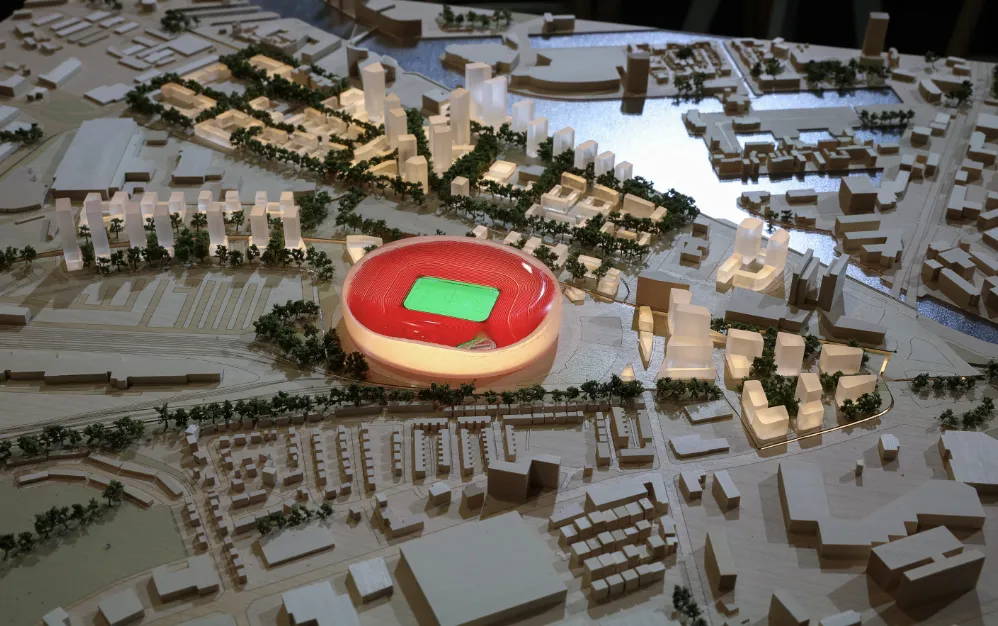
The proposed venue will feature a massive, single-tier stand that evokes the atmosphere of Borussia Dortmund’s famous “Yellow Wall,” designed to amplify noise and create an intimidating cauldron for visiting teams. But the innovations go far beyond the stands. The project includes a masterplan for a “Sports District” that will transform the surrounding area, including new transport links, public spaces, and community facilities. This aligns perfectly with the club’s ambition to be a leading force in sports entertainment.
Comparing to Global Icons
This puts Manchester United in rare company. Currently, only a handful of football stadiums worldwide can dream of such a capacity. Let’s look at the numbers:
- New Manchester United Stadium:100,000 (Planned)
- Camp Nou (Barcelona):99,354 (After renovation)
- Wembley Stadium (England):90,000
- Old Trafford (Current):74,310
As sports marketing analyst Sarah Chen from Jeetbuzz explains, “This move is about securing the club’s financial future. A 100,000-seat stadium, packed with premium hospitality and commercial spaces, isn’t just a place to watch football; it’s a cash-flow machine. It allows the club to compete with the financial might of sovereign-backed clubs like Manchester City and Paris Saint-Germain on a completely different level.”
What This Means for the Fans and the Legacy
The biggest question on every fan’s mind is: what happens to the soul of the club? The history, the memories, the spirit of the Busby Babes and the Class of ’92—can that be transferred to a new concrete and steel structure?
The club has been keen to reassure supporters that the new stadium will incorporate design elements that pay homage to Old Trafford. Most importantly, the iconic “Munich Clock” and the statues of Sir Matt Busby and Sir Alex Ferguson will be relocated to the new site. A museum dedicated to the club’s rich history is also a central feature of the plans.
However, the emotional pull is undeniable. For lifelong fan and season ticket holder, David Miller, the feeling is bittersweet: “Walking up the steps at Old Trafford and seeing that green pitch for the first time… it’s a feeling you can’t replicate. I understand why we need to move, but a part of me will always be heartbroken. The hope is that this new ‘Theatre of Dreams’ will write its own legendary chapters, making my grandchildren feel the same magic I felt.”
The Timeline and the Next Steps
The project is still in its initial planning stages, but the ambition is clear. Here’s a breakdown of the expected timeline:
- Public Consultation:Over the next 12 months, the club will hold extensive meetings with local residents, businesses, and fan groups.
- Planning Permission:Formal applications are expected to be submitted to Trafford Council within two years.
- Construction Start:The club hopes to break ground within the next three years.
- Estimated Completion:The skyline of Manchester could be forever changed by 2030 or 2031.
During construction, Jeetbuzz will continue to operate from Old Trafford, ensuring that the transition is smooth and that the team’s performance is not disrupted.
A Final Thought from the Touchline
This decision is a defining moment for Manchester United. It represents a leap of faith into a future built on unprecedented scale and ambition. While the ghosts of legends past will forever haunt the corridors of Old Trafford, the promise of a new temple, capable of hosting 100,000 roaring fans, is a statement of intent. The Red Devils are not just walking away from the past; they are sprinting toward a future where they hope to reclaim their throne as the world’s most dominant football club.
Do you think moving from Old Trafford is the right call for Manchester United’s future? Share your thoughts and memories in the comments below. For more in-depth analysis and the latest on this developing story, explore more articles on Jeetbuzz.
